Home / Levels of Care /
Residential Treatment in Florida Designed for Lasting Recovery
A strong and stable environment so you can focus on recovery.
Intro
For those struggling with drug addiction, choosing an inpatient drug rehabilitation center may be the most important decision they can make as they pursue long-term sobriety. Residential treatment provides the level of structure, clinical intensity, and the ideal environment needed to make change last, especially for those with moderate to severe substance use disorders, co-occurring mental health conditions, or home environments not conducive to recovery.
At Agape Detox Center in Port St. Lucie, Florida, we offer a comprehensive inpatient rehabilitation program that uses evidence-based treatments in a comfortable and welcoming atmosphere where residents can solely focus on recovering. As a fully accredited residential treatment center, our care is delivered by a multidisciplinary treatment team of clinicians, medical staff, and behavioral health professionals, all in a supportive environment designed for healing. Whether you are stepping down from detox or this is your first stop on the road to recovery, our inpatient program is tailored to meet you wherever you are in your journey and develop a treatment plan based on your unique history, needs, and goals.
What Is Inpatient Rehab?
Inpatient rehab, or residential treatment, refers to a level of care in which clients reside at the treatment center full time for the duration of their treatment program.[1] This removes clients from the environments, relationships, and triggers that may have contributed to their substance use issues, so they can focus on deep and meaningful therapeutic work.
Unlike outpatient programs, which allow patients to go home between sessions, inpatient care offers clients constant clinical support and a structured daily routine that fills each hour with purpose. Meal times, therapy, wellness activities, opportunities for socialization and peer support, and scheduled visits with clinical staff are all part of the routine, helping clients develop new, positive habits that serve as the foundation for their lives post-treatment.
Inpatient rehab is considered the most intense form of care available for those dealing with substance use disorders. It is often recommended for people who:
- Have completed medical detoxification and need ongoing intensive support
- Have a documented history of relapse following less intensive levels of care
- Struggle with co-occurring mental health disorders along with their addiction
- Do not have access to a safe, supportive living environment
- Need separation from their current living situations, family members, friends, and other factors related to their substance use issues
The Clinical Curriculum
Agape’s Inpatient Program
Agape’s program is built on the primary concept that true recovery requires treating the whole person — not just their addiction. Our inpatient program uses a variety of evidence-based interventions, mental health treatment, education, life skills training, wellness, and peer support groups to facilitate healing across every dimension of the client’s life.
Each client admitted into our inpatient program receives an individualized treatment plan developed collaboratively with their assigned clinical team. This plan covers the full scope of the client — their history of substance use, any mental health diagnoses, their strengths, and their goals for recovery — and is revised as necessary during the course of their stay as the client progresses and their needs evolve. Each client also has a designated case manager whose responsibilities include coordinating care from admission through discharge and aftercare planning. Your unique to you treatment plan will include some or all of the following:
Evidence-Based Therapies
Agape Detox Center uses a broad array of evidence-based interventions that have been demonstrated to be effective in treating both substance use disorders and co-occurring mental health disorders.

Dual Diagnosis Treatment
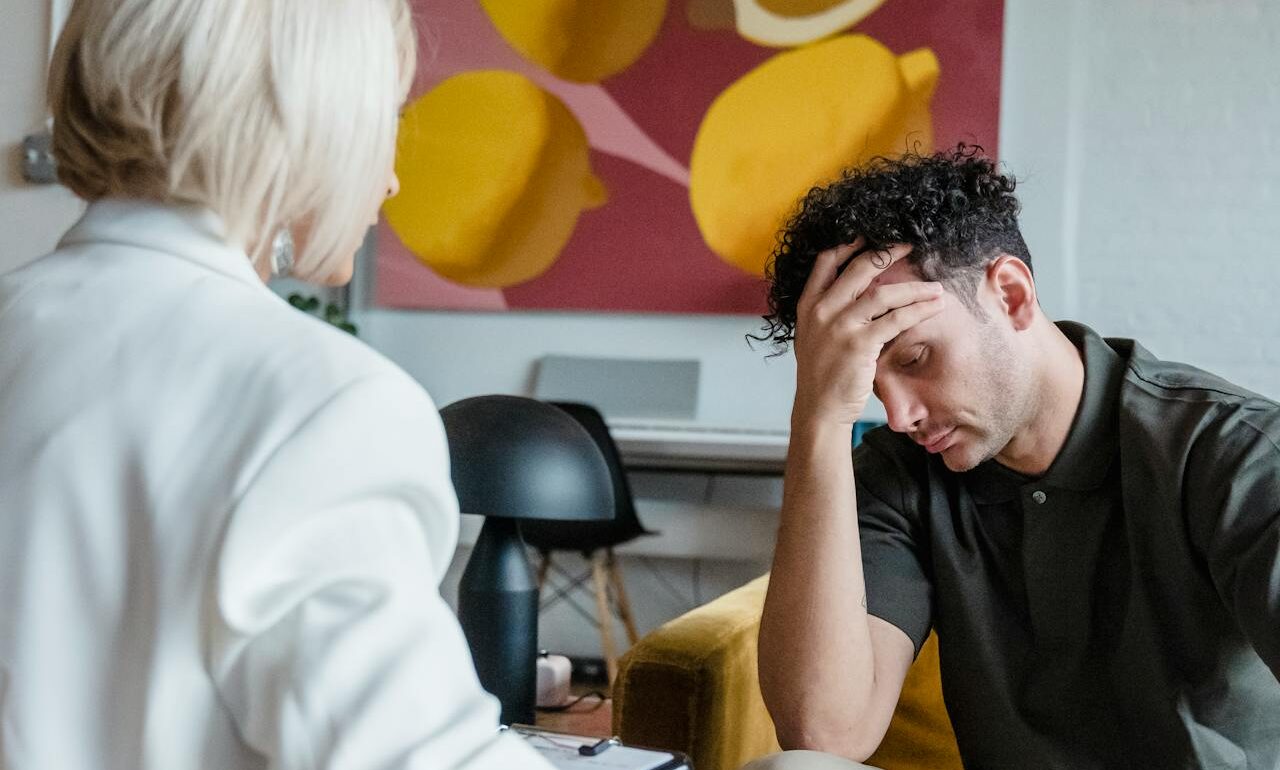
A significant percentage of people entering residential treatment are also struggling with co-occurring mental health conditions such as depression, anxiety, post-traumatic stress disorder (PTSD), bipolar disorder, or other mental illness that may have contributed to their addiction.[2] At Agape, dual diagnosis treatment is fully integrated into our inpatient program. Our behavioral health team treats both the addiction and the underlying mental health conditions together because we believe that treating either component alone rarely produces lasting results.
Life Skills and Wellness
While discontinuing the substance is important, so is developing a life that doesn’t require it. Our inpatient program provides opportunities for you to learn life skills, stress reduction techniques, and wellness strategies to help clients develop the healthy habits and practical tools they need post-discharge. Your physical health, nutritional well-being, sleep habits, and mindfulness practices are part of the residential treatment experience at Agape.


Agape Detox Center
What to Expect During Inpatient Rehab
On arrival at our Port St. Lucie location, each client is given a full medical and psychological evaluation. The results of this evaluation are then incorporated into your treatment plan at intake. It will allow us to assess any urgent clinical issues, including co-occurring mental health conditions and physical health problems that need attention as soon as possible.
01
Daily Structure
Our inpatient rehabilitation program follows a consistent structure that helps promote a sense of purpose, stability, and therapy throughout the day. Typical components of the daily routine include morning wellness activities, individual and group therapy sessions, educational workshops, peer group community time, and evening reflection. A structured daily routine plays a critical role in early recovery and is necessary for establishing the patterns and routines that lead to sustained sobriety.
02
Length of Stay
Inpatient treatment can last anywhere from 30 to 90 days, though the length of stay is based on each client’s individual clinical needs and not a predetermined schedule. Some clients may benefit from an extended stay, and our clinical staff will work individually with each client to provide an honest recommendation based on progress and circumstances. There is substantial research supporting the fact that longer treatment durations result in improved long-term recovery outcomes.[3]
03
Peer Community
One of the aspects of residential care that receives little recognition is the peer group aspect. By living among peers who are working through similar recovery experiences, sharing meals, attending group therapy, and supporting one another, clients can foster connections and accountability that enhance recovery. For many clients, the relationships developed in inpatient care are among those that have the greatest positive impact on their recovery.
Agape Wide Range of Treatment
Why Florida Residential Treatment Centers Offer an Ideal Recovery Location
Not everyone needs the intensity of a partial hospitalization program. However, for those who require a higher level of care, or have a long history of chronic relapse, the PHP level of care may make the difference between short-term improvement and long-term abstinence from substance use.[3]
You may be a good candidate for our Day/Night Treatment Program if:
Florida has long been recognized as one of the nation’s leading destinations for addiction treatment and is home to experienced providers, advanced clinical programs, and a sunny, healing environment that supports recovery year-round. Port St. Lucie specifically combines these elements with the natural beauty, quiet atmosphere, and small-town charm of the Treasure Coast.
Agape’s inpatient program was designed with the recovery process in mind. From comfortable living arrangements to serene outdoor areas and an overall aesthetic that reflects a focus on healing, our facility provides a supportive environment from the start. Clients regularly come to our facility from locations across the state of Florida, including Orlando, Fort Lauderdale, Miami, Tampa, and beyond. The separation from familiar environments is often an integral element of recovery.
Continuing Care After Inpatient Rehab
Inpatient rehabilitation is a strong foundation for achieving long-term success in recovery. Nonetheless, ongoing support is still required after discharge. At Agape, discharge planning begins immediately upon admission. Before leaving our program, each client’s treatment team will create a comprehensive aftercare plan tailored to meet their specific needs. Some examples of follow-up care may consist of:
Begin Your Recovery at Agape
Choosing inpatient rehab is among the most significant decisions you or your loved one can make toward recovery. You’ve done the hardest part. Let us help you with what comes next. At Agape Detox Center, our admissions team is available twenty-four hours a day to answer your questions, verify your insurance, and help you understand how residential treatment can work for you.
FAQ
Frequently Asked Questions About Residential Treatment Programs in Florida
What is the difference between inpatient rehab and outpatient treatment?
Inpatient rehabilitation is a residential level of care where patients reside at the treatment center full-time. Outpatient treatment provides patients with multiple therapy sessions a week, but they continue to live at home. Inpatient care has a greater clinical intensity, greater structural support, and more total immersion than outpatient treatment. It is generally recommended for those with moderate to severe substance use disorders and those who are managing co-occurring mental health issues
How long does inpatient rehab last?
Residential programs at Agape Detox typically range from 30 to 90 days, with the length of each patient’s stay determined by their clinical needs. Studies have repeatedly shown that the longer a person remains in treatment, the greater the likelihood of achieving positive long-term recovery results.
Does inpatient rehab treat mental health conditions as well as addiction?
Yes. Our inpatient program at Agape incorporates fully integrated dual diagnosis treatment for co-occurring mental health disorders along with treating the addiction. We treat both the addiction and the underlying mental health issues simultaneously.
What should I bring to inpatient rehab?
Our admissions team will provide a detailed list of what to pack when you call. General items include comfortable clothing, personal hygiene products, any prescribed medications, a valid government-issued photo identification card, and your insurance cards. Our staff will review with you anything else you may want or need before arrival.
Is inpatient rehab covered by insurance?
Most standard health insurance policies cover medically necessary inpatient rehab services provided by accredited facilities. Before commencing treatment, we will quickly and discreetly verify your insurance coverage.
What happens after inpatient rehab?
Before leaving our facility, our clinical team creates an aftercare plan specifically designed for each client, coordinating their transition into the next appropriate level of care, whether that is PHP, IOP, or outpatient treatment, as well as referring them to local community-based support groups.
Sources
[1] National Institute on Drug Abuse. (2026). Treatment. https://nida.nih.gov/research-topics/treatment
[2] National Institute on Drug Abuse. (n.d.). Common comorbidities with substance use disorders. https://nida.nih.gov/research-topics/comorbidity
[3] Beaulieu, M., Tremblay, J., Baudry, C., Pearson, J., & Bertrand, K. (2021). A systematic review and meta-analysis of the efficacy of the long-term treatment and support of substance use disorders. Social Science & Medicine, 285, 114289. https://doi.org/10.1016/j.socscimed.2021.114289